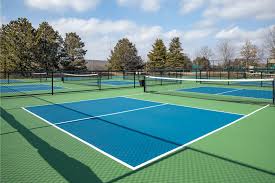
Pickleball isn’t just a passing trend — it’s one of the fastest-growing sports in the world. Whether you’re a casual player enjoying weekend matches or an enthusiast ready to host local tournaments, one factor can make or break your playing experience: the pickleball court material.
From the way the ball bounces to how safe the surface feels under your feet, court material matters more than most players realize. Let’s break down your options so you can choose the right surface for your needs.
Why Court Material Matters
A good pickleball court material is more than just a playing surface — it’s the foundation of the game. The right material can:
- Improve ball control and bounce consistency
- Reduce player fatigue and joint stress
- Provide better grip and prevent slips
- Withstand weather and heavy use
A poor choice can lead to cracks, uneven bounce, and safety hazards. In short, the court material influences both the quality of play and the longevity of the court itself.
Popular Pickleball Court Materials
Let’s look at the most common options, their pros and cons, and where each one works best.
1. Asphalt
Pros:
- Affordable and widely available
- Easy to construct and repair
- Durable with proper maintenance
Cons:
- Can crack over time, especially in freeze-thaw climates
- Hard surface can be tough on knees
Asphalt is one of the most common choices for outdoor courts. It’s strong, weather-resistant, and provides a solid playing surface. However, for frequent players, adding a cushioned acrylic coating can make it easier on the joints.
2. Concrete
Pros:
- Extremely durable — lasts decades
- Low maintenance compared to asphalt
- Excellent bounce consistency
Cons:
- Higher upfront cost
- Can be slippery without textured coating
Concrete courts are a premium choice for both indoor and outdoor setups. When paired with an acrylic sport surface, they offer excellent traction and a professional playing feel. For many clubs and community centers, concrete is the go-to pickleball court material for long-term use.
3. Modular Sport Tiles
Pros:
- Quick installation over existing surfaces
- Good shock absorption
- Available in multiple colors
Cons:
- Can feel different from traditional hard courts
- Needs proper base for stability
Modular tiles are interlocking pieces that can be installed indoors or outdoors. They’re great for multi-use spaces, and if a tile gets damaged, it’s easy to replace. Many schools and gyms choose them for their versatility.
4. Synthetic Cushioned Surfaces
Pros:
- Gentle on joints — ideal for older players
- Slip-resistant even when wet
- Can be installed over asphalt or concrete
Cons:
- Higher installation cost
- May need periodic resurfacing
These cushioned layers combine comfort with performance, making them a favorite for dedicated pickleball facilities. They give the game a softer, more forgiving feel without sacrificing bounce quality.
Indoor vs. Outdoor Considerations
The perfect pickleball court material depends on where you’ll play most often.
- Indoor courts benefit from materials that reduce noise and offer excellent traction without being too abrasive. Modular tiles and cushioned vinyl are popular choices.
- Outdoor courts need to handle sun, rain, and temperature changes. Asphalt or concrete with a protective coating is best for long-term durability.
Tips for Maintaining Your Court Material
Even the best pickleball court material won’t last without proper care. Here’s how to keep your surface in top condition:
- Clean regularly — Remove dirt, leaves, and debris to prevent surface damage.
- Repair cracks quickly — Small cracks can grow and affect gameplay.
- Recoat as needed — A fresh surface layer every few years maintains texture and color.
- Inspect after weather events — Storms and heavy rains can cause erosion or pooling water.
Choosing What’s Right for You
If you’re building a court from scratch, consider:
- Budget — Concrete costs more upfront but lasts longer.
- Player type — Recreational players may prefer softer, cushioned surfaces.
- Climate — Freezing winters? Asphalt with a crack-resistant coating may be your friend.
- Usage — Heavy daily play calls for more durable surfaces.
Whether you go with concrete for longevity, asphalt for affordability, or modular tiles for flexibility, the goal is the same: creating a safe, consistent, and enjoyable playing space.
Final Thoughts
In pickleball, every detail matters — from your paddle to your sneakers. But the surface beneath your feet is the unsung hero of the game. Choosing the right pickleball court material can enhance performance, prevent injuries, and keep players coming back for more.
So, next time you step onto the court, take a moment to appreciate the ground you’re playing on. It’s not just a surface — it’s the stage for every rally, every point, and every game-winning shot.
 Site Title
Leave a comment