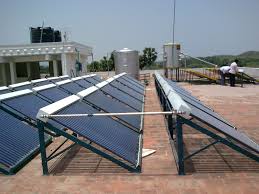
In an age where sustainability is becoming more than just a buzzword, people and businesses alike are seeking energy solutions that reduce costs, cut emissions, and promote a cleaner planet. Among the many technologies reshaping how we use energy, the solar water heating system is quietly gaining recognition as one of the most practical and impactful options.
Unlike complex energy alternatives that require significant infrastructure, this system relies on something simple and abundant—sunlight. By capturing solar energy to heat water for homes, businesses, or even large-scale facilities, it offers a reliable way to cut down on electricity or fuel bills while contributing to a greener future.
What Is a Solar Water Heating System?
A solar water heating system works by using solar collectors, usually installed on rooftops, to absorb sunlight. This heat is then transferred to water stored in a tank, making it ready for everyday use—whether for showers, cleaning, or industrial processes. Unlike photovoltaic (PV) solar panels that generate electricity, these systems focus exclusively on producing heat, which is often more efficient for direct water heating.
Depending on the design, systems can be active (with pumps and controls) or passive (using natural convection). Both are effective, but the choice often depends on climate, water needs, and budget.
Why Solar Water Heating Matters
- Environmental Benefits
Heating water accounts for a surprising percentage of household and industrial energy use. By switching to a solar-powered system, families and businesses can dramatically reduce their carbon footprint. Each gallon of water heated by the sun represents less reliance on fossil fuels. - Cost Savings
While installation comes with an upfront cost, the return on investment is notable. After the initial setup, the energy harnessed from the sun is free. Over time, households and companies save substantially on energy bills. - Energy Independence
Rising fuel prices and unstable energy markets make alternative sources attractive. With solar, communities gain resilience and independence, reducing their dependence on centralized power grids.
Expanding Horizons: Solar Industrial Applications
Although the household use of solar heating is more familiar, the rise of Solar industrial applications is where the real transformation lies. Factories, food processing plants, textile industries, and even large hotels require significant amounts of hot water or steam. Traditionally, they rely on gas or oil burners. By adopting Solar industrial heating systems, these facilities can replace or supplement conventional boilers with clean, renewable energy.
For example, in food processing plants, solar-heated water can be used for sterilization, cleaning, or preheating processes. In the textile industry, hot water is critical for dyeing fabrics, and solar energy can reduce costs while improving sustainability credentials. The move toward Solar industrial solutions not only saves money but also helps companies meet environmental regulations and demonstrate corporate responsibility.
Social and Community Impact
Beyond the technical and economic aspects, solar water heating carries strong social value. Communities that adopt these systems often experience:
- Improved Living Standards: Families in remote areas with limited electricity access gain reliable hot water for hygiene and comfort.
- Job Creation: Installation and maintenance of solar heating systems create local employment opportunities.
- Awareness and Education: Schools and community centers using solar technology often become hubs for sustainability education, inspiring the next generation.
By making renewable energy visible and practical in everyday life, these systems bridge the gap between environmental ideals and daily practices.
Overcoming Challenges
Of course, adoption doesn’t come without obstacles. Upfront costs can deter some households or businesses, especially in areas where government incentives are limited. Additionally, system performance can vary depending on geography and weather conditions.
Yet, innovation is addressing these issues. Modern systems come with improved insulation, hybrid designs that integrate with traditional heating, and financing options to spread out initial expenses. In many regions, policy support and subsidies are making it even easier for people to make the switch.
Looking Ahead
As the global community pushes toward renewable energy targets, technologies like the solar water heating system are proving that sustainability doesn’t have to be complicated or futuristic. By harnessing something as basic as the sun to meet a universal need—hot water—we can make significant strides toward a cleaner, fairer, and more resilient world.
 Site Title
Leave a comment