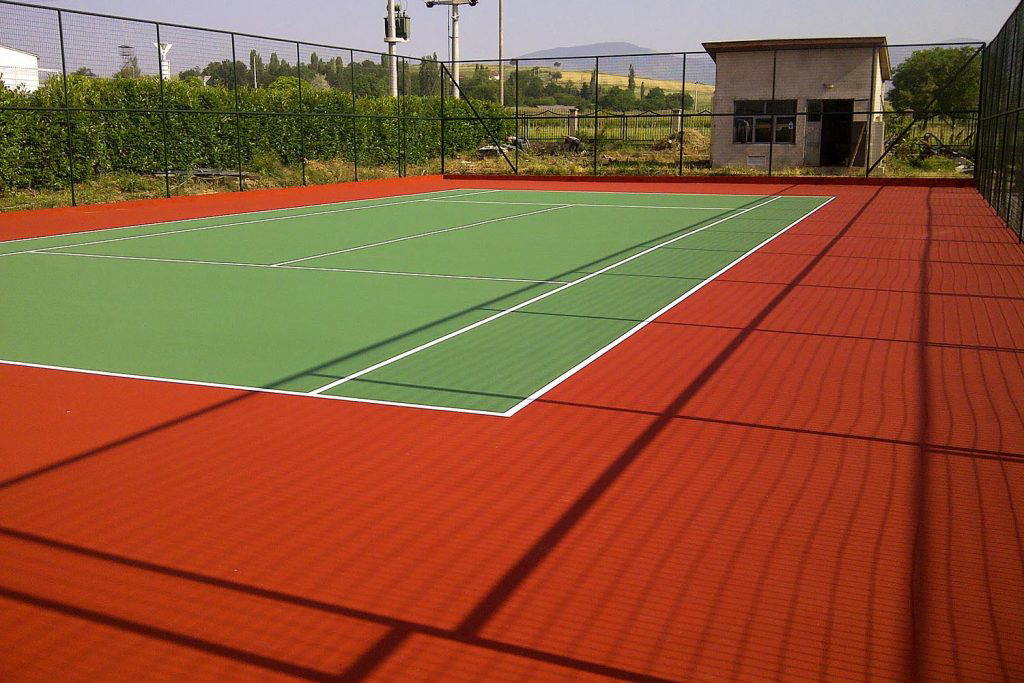
Tennis has always been more than just a sport. It’s a social connector, a fitness booster, and for many communities, a shared space where people of all ages come together. Whether it’s a school planning new sports facilities, a housing society upgrading amenities, or a private sports club expanding its offerings, building a tennis court is a big but rewarding decision. Two topics usually come up right away in these conversations: tennis court construction prices. Let’s break these down in a simple, people-friendly way.
Why Tennis Courts Matter in Communities
A well-built tennis court adds value beyond just gameplay. It encourages an active lifestyle, brings neighbors together, and creates a space for friendly competition. In residential colonies, tennis courts often become morning fitness hubs and evening social spots. For schools and colleges, they help nurture discipline, teamwork, and confidence among students.
Because these courts are used by many people over long periods, planning them properly from day one really matters.
What Influences Tennis Court Construction Costs?
When people talk about tennis court construction prices, they’re usually surprised to learn that there’s no single fixed number. Costs vary depending on several practical factors:
- Type of Court Surface
Hard courts (acrylic), clay courts, and synthetic grass courts all come with different budgets. Acrylic hard courts are the most popular because they balance durability, performance, and maintenance costs. - Ground Preparation
If the land is uneven or has drainage issues, extra work is needed. Proper leveling, base layers, and drainage systems are essential for long-lasting courts and directly affect the final cost. - Location and Labor
Construction costs can differ depending on city, availability of skilled labor, and local material prices. Urban areas may have higher labor costs, while remote areas might face higher transport expenses. - Additional Features
Fencing, lighting for night play, seating areas, and shade structures all add comfort—but also add to the budget.
In general, a good tennis court should be seen as a long-term investment. Spending wisely at the construction stage reduces repair and resurfacing expenses later.
The Role of Tennis Court Paint
Once the base and surface are ready, the finishing touches make a huge difference. That’s where tennis court paint comes in. It’s not just about color—it’s about safety, performance, and durability.
High-quality court paint is designed to:
- Provide proper grip to prevent slipping
- Reduce glare for better visibility
- Withstand sun, rain, and heavy foot traffic
Acrylic paints are commonly used because they are weather-resistant and customizable. You can choose colors that match your institution’s branding or create a visually appealing contrast that makes line markings clear and professional.
Choosing the Right Colors and Finishes
Color choices affect how players feel on the court. Blues and greens are popular because they’re easy on the eyes and improve ball visibility. A good paint system also allows for resurfacing after a few years, which helps keep the court fresh without rebuilding it from scratch.
For community courts, durability matters more than fancy looks. A slightly textured finish offers better traction and is safer for kids, seniors, and casual players alike.
Maintenance: Keeping the Court Socially Friendly
A tennis court stays inviting only if it’s well maintained. Regular cleaning, checking for cracks, and repainting lines when needed can extend the court’s life significantly. Communities that involve residents or members in basic care often find people take more pride in the facility.
Well-maintained courts also encourage respectful use—less littering, fewer disputes, and a stronger sense of shared ownership.
Final Thoughts
Building a tennis court isn’t just a construction project; it’s a community upgrade. Understanding costs clearly and choosing the right materials ensures that everyone—from beginners to serious players—can enjoy the space safely and comfortably. When planned thoughtfully, a tennis court becomes more than concrete and paint. It becomes a place for friendships, fitness, and shared memories.
 Site Title
Leave a comment